Are you tired of losing track of how much interest you’re actually earning on your investments or loans? Keeping an eye on interest rates and payments can feel overwhelming, especially when you have multiple accounts or changing rates to manage.
That’s where an Interest Rate Tracking Ledger becomes your secret weapon. It helps you organize all your interest income and expenses in one clear, simple place. Imagine having a straightforward way to see exactly how much interest you’ve earned or owe, without the headache of complicated calculations or scattered records.
You’ll discover how an Interest Rate Tracking Ledger can bring clarity to your finances, save you time, and even help you make smarter money decisions. Keep reading to learn how to take control of your interest tracking like a pro.
Interest Rate Tracking Ledger Basics
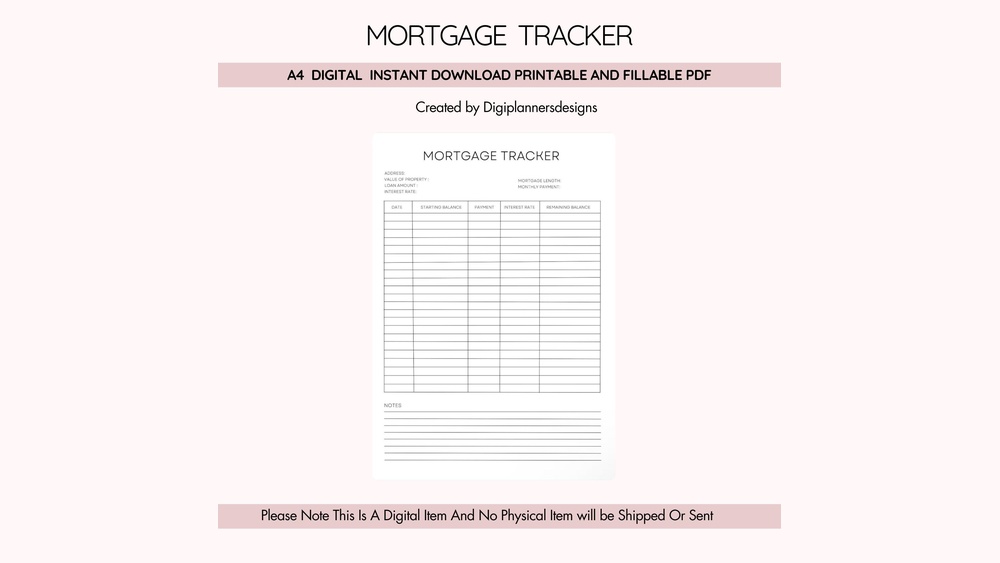
An Interest Rate Tracking Ledger is a simple tool to record and watch interest rates over time. It helps users keep track of how much interest they earn or pay. This ledger records rates from different sources like loans, savings, and investments.
There are several types of interest rates to track. These include fixed rates that stay the same and variable rates that change. Tracking both helps understand how payments or earnings might change.
The key components of the ledger include the date, interest rate, source, and notes. The date shows when the rate was recorded. The source tells where the rate comes from, such as a bank or lender. Notes help add extra details or changes.
Setting Up Your Ledger
Choose a platform that is easy to use and fits your needs. Many prefer spreadsheet software like Excel or Google Sheets. Others like accounting apps for automated tracking. Pick one that lets you add accounts and update entries quickly.
Create separate interest income accounts for each source. This helps keep your records organized and clear. Label accounts by bank or investment type. This makes it easier to track earnings over time.
Record each transaction with date, amount, and source. Check that all entries are accurate and complete. Update the ledger regularly to avoid mistakes. Use a consistent format for every entry to keep things neat.
Tracking Interest On Loans
A ledger balance shows the total amount in a loan account at any time. It includes principal, interest, fees, and payments. This helps track what is owed and what has been paid.
Loan interest payments must be recorded promptly in the ledger. This keeps the account accurate. Each payment reduces the interest balance and may reduce principal if the payment is large enough.
Fees like late charges or service fees are also added to the ledger. They increase the amount owed. Credit losses happen when payments are missed and may require adjustments to the ledger.
| Ledger Item | Description |
|---|---|
| Principal | The original loan amount borrowed |
| Interest | Cost of borrowing, added over time |
| Payments | Amounts paid to reduce loan balance |
| Fees | Extra charges like late fees |
| Credit Losses | Amounts not recovered from borrower |

Managing Deposit Interest
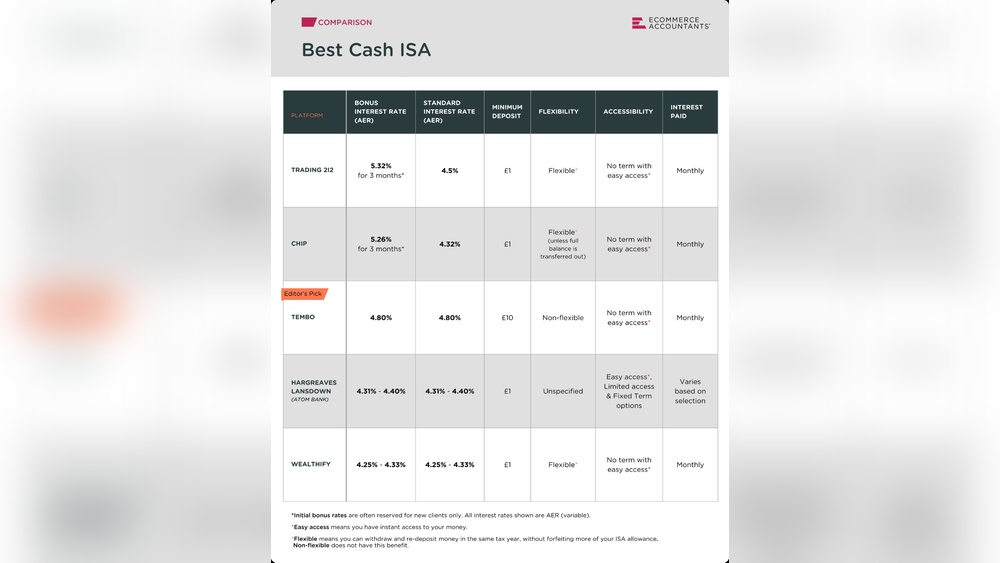
Tracking fixed deposits across banks helps you compare interest rates easily. Keep a simple list of each bank’s rate, deposit amount, and maturity date. This makes it easier to spot the best deals.
Maintaining interest rate tables means updating rates regularly. Rates change often, so check monthly or quarterly. Write down rates for different deposit terms like 6 months, 1 year, and 5 years. This helps find the highest return for your money.
| Term | Bank A Rate | Bank B Rate | Bank C Rate |
|---|---|---|---|
| 6 Months | 3.5% | 3.7% | 3.6% |
| 1 Year | 4.0% | 4.2% | 4.1% |
| 5 Years | 4.5% | 4.7% | 4.6% |
Calculating Annual Percentage Rate (APR) shows true yearly interest. APR includes fees or compounding effects. Use this formula: APR = (Total Interest / Principal) × (1 / Years) × 100%. This helps compare deposits fairly.
Tools And Software Options
Mobile apps make tracking interest easy and fast. They show updates in real time and send alerts for changes. Many apps support multiple accounts and banks, helping users see all their interest data in one place. Some apps work offline, allowing access without internet.
Spreadsheets are simple tools to track interest manually. Users can create tables with dates, amounts, and rates. Formulas can calculate totals and growth over time. Spreadsheets are flexible and free with programs like Excel or Google Sheets.
Accounting software can integrate interest tracking into financial records. These programs automate calculations and update ledgers automatically. They reduce errors and save time for users managing many accounts or loans. Popular software often links with banks for easy data import.
Optimizing Financial Decisions
Tracking interest income trends helps spot changes over time. It shows which investments yield more interest. This knowledge guides better money choices.
Adjusting investment strategies based on interest data can improve results. Switching to accounts with higher rates or shorter terms may be wise. Regular reviews keep investments aligned with goals.
Using a ledger for interest tracking provides clear, organized records. It highlights total earnings and helps compare options easily. This leads to maximized returns and smarter financial decisions.
Common Mistakes To Avoid
Inaccurate transaction entries can cause errors in your interest tracking. Always double-check numbers and dates for each entry. Mistakes here lead to wrong interest calculations and confusion.
Ignoring fee impacts reduces the accuracy of your ledger. Fees like service charges or penalties affect the net interest earned. Record all fees precisely to get a true picture of returns.
Failing to update rates regularly results in outdated data. Interest rates can change often. Update your ledger whenever rates change to keep calculations current and reliable.


Frequently Asked Questions
What Is The Ledger Of Interest Received?
The ledger of interest received records all interest income earned. It credits interest amounts, ensuring accurate financial tracking and balanced accounts.
What Is Ledger Interest?
Ledger interest refers to the interest recorded in an account ledger, showing accumulated interest earned or payable. It tracks interest transactions accurately.
What Is A Ledger In A Loan?
A ledger in a loan records all financial transactions, including principal, interest, fees, and payments. It tracks loan balances and activity.
What Is Ledgering In Banking?
Ledgering in banking means recording all financial transactions in accounts to track credits, debits, and balances accurately.
Conclusion
Tracking interest rates with a ledger helps you stay organized and informed. You can see how much interest you earn over time. This simple tool keeps your finances clear and easy to manage. Regular updates help you avoid surprises and plan better.
Use the ledger to compare different rates quickly. It supports smarter financial decisions every day. Keep your records neat and consistent for the best results. A good interest rate tracking ledger is a practical step toward financial control.
Read More
- Fixed Vs Variable Rates: Ultimate Guide to Smart Borrowing Choices
- Personal Finance Rate Guide: Unlock Smart Savings Today
- Daily Home Loan Rates: Unlock Today’s Best Deals Now
- Loan Rate Comparison Dashboard: Unlock Best Deals Instantly
- Real Time Rate Monitoring: Boost Efficiency with Instant Insights
- Mortgage Apr Comparison Report: Unlock Best Rates Today
- Best Apr Tracking Tool: Ultimate Guide to Boost Your Savings
- Credit Product Apr Analysis: Unlocking Smart Borrowing Insights
- Savings Rate Comparison Tool: Maximize Your Earnings Today
- Business Deposit Account Rates: Maximize Your Earnings Today