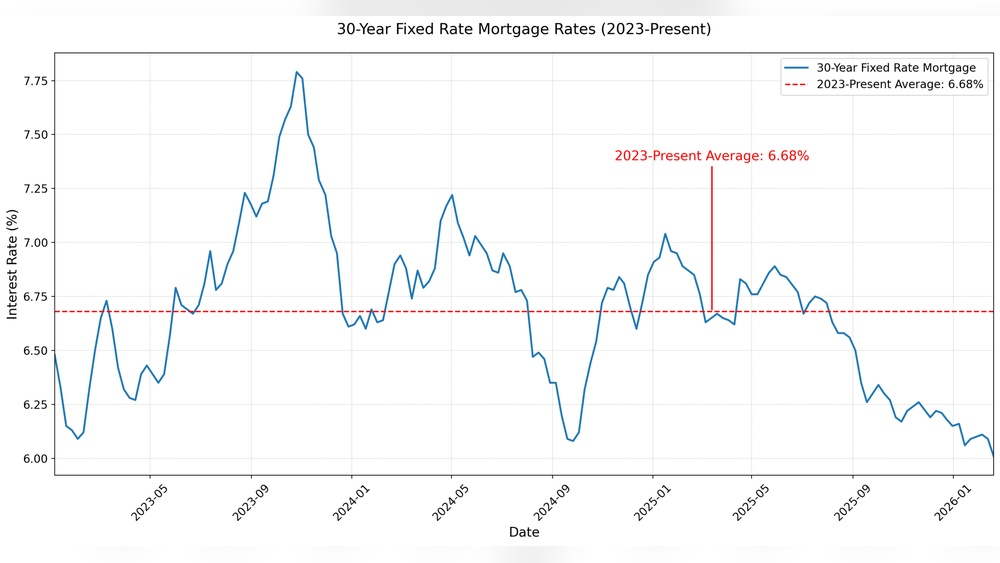
Imagine having the power to see exactly how your rates are changing the moment they happen. With real-time rate monitoring, you don’t have to wait for reports or guesswork.
You get instant updates that let you make smarter decisions faster. Whether you’re managing finances, pricing products, or tracking market trends, this tool puts control right at your fingertips. Ready to discover how real-time rate monitoring can transform your approach and keep you ahead of the game?
Keep reading to unlock the insights that will sharpen your strategy and boost your success.
Real-time Rate Monitoring Basics
Real-time rate monitoring means watching data as it happens. It helps businesses react fast to changes. Data flows from sources to a system that checks it immediately. This system sends alerts if rates go up or down.
Core concepts include continuous data tracking and instant analysis. The system uses sensors or software to gather data in real time. Then, it processes and displays this data on dashboards.
| Key Technologies | How It Works |
|---|---|
| Data Sensors | Collect live information from devices or networks |
| Streaming Analytics | Process data as it arrives for quick insights |
| Alert Systems | Notify users instantly about important changes |
| Visualization Tools | Show data in charts and graphs for easy understanding |

Applications Across Industries
Banking and Finance use real-time rate monitoring to track currency changes and market trends instantly. This helps banks make quick decisions and reduce risks. It also allows fraud detection by watching suspicious activity live.
E-Commerce and Retail benefit by updating prices and stock levels immediately. Real-time data helps stores offer the best deals and avoid selling out-of-stock items. Customer experience improves with faster service and accurate info.
Manufacturing and IoT rely on real-time monitoring to watch machines and devices. It helps spot problems early and keeps production running smoothly. Sensors send data right away, so fixes happen before big issues arise.
Benefits For Business Efficiency
Instant decision making helps businesses act fast on new information. This quick response saves time and avoids delays. It also reduces mistakes by using fresh data.
Improved resource allocation means using staff and tools where they are needed most. Real-time rate monitoring shows which areas need more support. This stops waste and boosts productivity.
Enhanced customer experience happens when services match customer needs closely. Real-time data helps fix problems before customers notice. This leads to happier clients and better reviews.

Data Collection And Analysis
Real-time data sources include sensors, logs, and user inputs. These sources provide instant information for quick decisions. Data is collected continuously to keep systems up-to-date.
Processing and visualization turn raw data into clear charts and graphs. This helps users understand trends and spot issues fast. Data is filtered and analyzed automatically to show only what matters.
Alerting and automation send notifications when data hits set limits. This allows teams to react immediately to problems. Automation can also trigger fixes without waiting for human action, saving time and effort.
Challenges And Solutions
Handling large data volumes requires fast systems that can process information quickly. Using cloud storage and distributed computing helps manage vast amounts of data efficiently. Systems must scale up as data grows to avoid delays.
Ensuring data accuracy means checking data regularly to find and fix errors. Automated tools can spot mistakes early. Reliable data is key to making good decisions and keeping trust.
Security and privacy concerns demand strong protection measures. Data should be encrypted and access limited to authorized users only. Regular audits help find weaknesses and keep data safe from breaches.
Tools And Platforms
Popular monitoring software includes tools like Nagios, Zabbix, and Datadog. These tools offer real-time data tracking and alerting to help users spot issues fast. They support many types of systems and devices.
Integration with existing systems is key. Most platforms connect with databases, servers, and cloud services. This connection allows smooth data flow and fewer disruptions. APIs and plugins often help link tools easily.
Customization options let users tailor dashboards, alerts, and reports. Users can set thresholds and notifications to suit their needs. Visual themes and data views also adjust to preferences. This flexibility helps teams focus on what matters most.
Measuring Impact And Roi
Performance metrics show how well real-time rate monitoring works. Key metrics include response time, error rates, and throughput. These help measure system speed and reliability. Tracking these numbers gives a clear picture of impact.
Case studies provide real examples of success. They show how businesses used real-time data to improve decisions. Stories from different industries prove the value of constant monitoring. This builds trust and shows practical benefits.
Continuous improvement depends on regular data review. Teams use insights to fix problems and boost efficiency. This process helps keep systems updated and relevant. Small, steady changes lead to better results over time.

Frequently Asked Questions
What Is An Example Of Real-time Monitoring?
An example of real-time monitoring is tracking website user activity instantly to detect issues and improve performance continuously.
What Is A Real-time Monitoring System?
A real-time monitoring system continuously tracks, analyzes, and reports data or events instantly as they happen. It enables immediate response and decision-making.
What Are The 5 Types Of Monitoring?
The five types of monitoring are network, application, security, performance, and real-time monitoring. Each tracks specific system aspects.
What Is Real-time Monitoring In Banking?
Real-time monitoring in banking tracks transactions instantly to detect fraud, ensure compliance, and manage risks effectively. It improves security and customer trust.
Conclusion
Real-time rate monitoring helps businesses respond quickly to changes. It improves decision-making by providing up-to-date data. This system reduces risks and increases efficiency. Companies can track performance and spot problems early. Using real-time monitoring supports better customer service and trust.
It keeps operations running smoothly without delays. Adopting this approach leads to smarter, faster actions. Staying informed in real time means staying ahead.
Read More
- Fixed Vs Variable Rates: Ultimate Guide to Smart Borrowing Choices
- Personal Finance Rate Guide: Unlock Smart Savings Today
- Daily Home Loan Rates: Unlock Today’s Best Deals Now
- Loan Rate Comparison Dashboard: Unlock Best Deals Instantly
- Mortgage Apr Comparison Report: Unlock Best Rates Today
- Best Apr Tracking Tool: Ultimate Guide to Boost Your Savings
- Credit Product Apr Analysis: Unlocking Smart Borrowing Insights
- Savings Rate Comparison Tool: Maximize Your Earnings Today
- Business Deposit Account Rates: Maximize Your Earnings Today
- Borrowing Cost Comparison Tool: Save More with Smart Choices