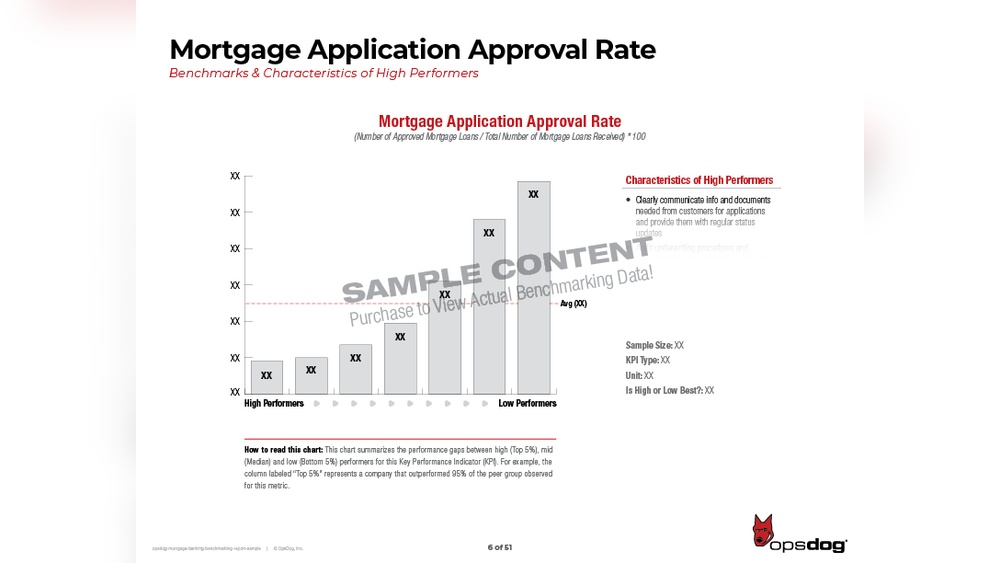
If you’re involved in lending or borrowing, understanding the Lending Rate Benchmark Report can give you a real edge. This report reveals how lending rates compare across banks and markets, helping you see where your rates stand and what trends are shaping the financial landscape.
Whether you’re a borrower hunting for the best deal or a lender aiming to stay competitive, knowing these benchmarks is key to making smarter financial decisions. Keep reading to discover how this report can impact your loans, savings, and overall financial strategy.
Lending Rate Benchmarks
Lending rate benchmarks are standard rates used to set interest costs on loans. They help banks and borrowers know the market rate for lending.
Common types of lending benchmarks include:
- LIBOR (London Interbank Offered Rate)
- SOFR (Secured Overnight Financing Rate)
- Prime Rate
- EURIBOR (Euro Interbank Offered Rate)
These benchmarks guide many financial products like mortgages, loans, and derivatives. They provide a clear reference for pricing.
In 2026, key benchmark rates include SOFR replacing LIBOR in the US, while EURIBOR stays important in Europe. The Prime Rate remains vital for consumer loans.
Benchmarks help stabilize markets by offering transparent, reliable rates for lending and borrowing.
Current Lending Rate Trends
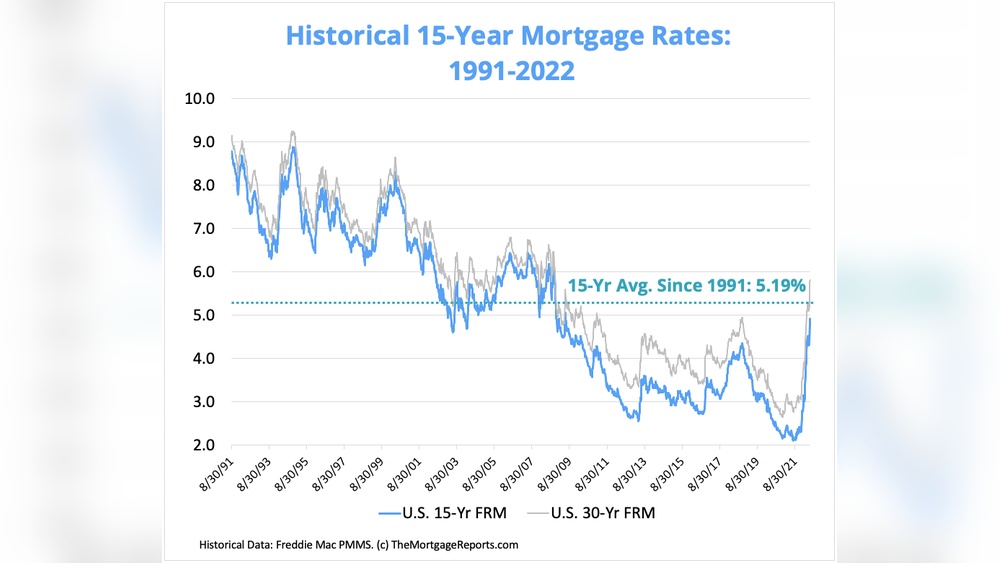
Interest rates have shown steady changes recently. Most lenders raised rates slightly after the Federal Reserve increased rates to control inflation. These moves aim to slow down borrowing and spending.
The Federal Reserve’s policies strongly affect lending rates. When the Fed raises rates, banks charge more for loans. Lower rates often follow when the Fed tries to boost the economy.
| Region | Average Lending Rate | Trend |
|---|---|---|
| East Coast | 5.2% | Stable |
| Midwest | 5.0% | Slight Increase |
| South | 5.5% | Moderate Rise |
| West Coast | 5.3% | Stable |
Regional variations exist due to local economic conditions. Some areas have higher rates because of risk or demand differences. Borrowers should watch rates carefully before deciding.
Benchmark Calculation Methods
Governance and administration ensure benchmarks are reliable and fair. Committees oversee the rules and update methods regularly. Clear policies guide how data is used and shared. Transparency is key to build trust among users.
Data sources and reporting include banks, financial institutions, and market transactions. Accurate data collection is vital for correct benchmark rates. Reports must be timely, consistent, and follow set standards. Errors in data can lead to wrong rates.
Challenges in benchmark calculation arise from data quality and market changes. Sometimes, data is missing or incomplete. Markets can be volatile, causing rate fluctuations. Keeping benchmarks stable while reflecting true market conditions is difficult.
Market Influences On Lending Rates
Economic indicators such as inflation, employment rates, and GDP growth greatly influence lending rates. Rising inflation often leads to higher rates as lenders seek to maintain returns. Strong employment boosts demand for loans, pushing rates up. Conversely, slow GDP growth may cause rates to drop to stimulate borrowing.
Global financial stability concerns impact lending rates worldwide. Economic crises or geopolitical tensions create uncertainty. Lenders respond by increasing rates to cover risks. Stability encourages lower rates, promoting borrowing and investment.
Regulatory changes shape lending environments. New laws can tighten or relax lending rules. Stricter regulations might raise compliance costs, increasing rates. Looser rules may lower rates by reducing lender risks.
Technological Advances In Benchmarking
AI and data analytics help banks analyze large sets of lending data quickly. This technology finds patterns that humans might miss. It supports better decisions and more accurate benchmarks.
Automation of reporting processes reduces manual work and errors. Systems collect and organize data automatically. Reports are generated faster, saving time and effort.
Improving transparency and accuracy is easier with technology. Clear data trails show how numbers are calculated. This builds trust among lenders and borrowers. Errors can be spotted and fixed quickly.
Lender And Borrower Perspectives
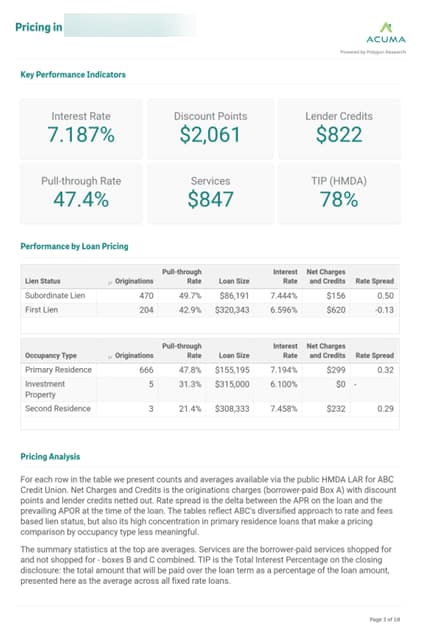
Small business lending benchmarks show the average rates banks offer. These rates help lenders compare their loan offers with others in the market. Borrowers use these benchmarks to find fair loan prices and understand market trends. Rates vary by loan size, term, and borrower credit quality. Lower rates often attract more applications but may increase risk for lenders.
Consumer lending trends reveal how personal loan rates change over time. Shifts in the economy, inflation, and policy decisions affect these rates. Consumers watch these trends to decide when to borrow. Lenders adjust their rates to stay competitive and manage risk.
Benchmark impact on loan pricing is significant. Benchmarks set a standard that guides how lenders price loans. Loan prices reflect the benchmark rate plus a margin based on risk. This system helps keep loan pricing transparent and consistent across markets.
Future Outlook For Lending Rates
Projected lending rates may rise moderately in the next year. Central banks are expected to adjust rates based on inflation trends. Borrowers should watch for shifts in benchmark rates like SOFR and LIBOR replacements.
New benchmarks such as Secured Overnight Financing Rate (SOFR) are gaining popularity. These alternatives offer more transparency and stability compared to old rates. Transition to these benchmarks will affect loan pricing and contracts.
| Risk Management Strategies | Description |
|---|---|
| Hedging | Use financial tools to protect against rate changes. |
| Diversification | Spread loans across different rate types and terms. |
| Regular Monitoring | Keep track of market trends and adjust plans. |
Frequently Asked Questions
What Is A Benchmark Lending Rate?
A benchmark lending rate is a standard interest rate used by banks to set loan rates. It reflects market conditions and guides lending decisions.
Is Eblr Good Or Bad?
Eblr offers reliable lending rate benchmarks with clear data and user-friendly reports. It supports informed financial decisions effectively.
What Is The Current Interest Rate Benchmark?
The current interest rate benchmark in the U. S. is the Federal Reserve’s federal funds rate, set at around 5. 25%.
Will We Ever See A 3% Mortgage Rate Again?
Mortgage rates near 3% are unlikely soon due to current economic conditions and Federal Reserve policies. Rates depend on inflation and market trends.
Conclusion
Understanding lending rate benchmarks helps you make smarter financial choices. These rates reflect market trends and influence loan costs. Tracking changes keeps you informed about borrowing conditions. Use benchmark reports to compare rates and plan ahead. Staying aware helps manage your finances with confidence.
Keep checking updates for the latest lending insights. This knowledge supports better decisions for your financial future.
Read More
- Fixed Vs Variable Rates: Ultimate Guide to Smart Borrowing Choices
- Personal Finance Rate Guide: Unlock Smart Savings Today
- Daily Home Loan Rates: Unlock Today’s Best Deals Now
- Loan Rate Comparison Dashboard: Unlock Best Deals Instantly
- Real Time Rate Monitoring: Boost Efficiency with Instant Insights
- Mortgage Apr Comparison Report: Unlock Best Rates Today
- Best Apr Tracking Tool: Ultimate Guide to Boost Your Savings
- Credit Product Apr Analysis: Unlocking Smart Borrowing Insights
- Savings Rate Comparison Tool: Maximize Your Earnings Today
- Business Deposit Account Rates: Maximize Your Earnings Today