When it comes to managing your money, knowing the right personal finance rates can make a huge difference. Whether you’re thinking about taking out a personal loan, refinancing debt, or simply planning your budget, understanding current rates helps you save money and avoid costly mistakes.
This Personal Finance Rate Guide is designed just for you—breaking down what good rates look like today, how to find them, and what factors can affect your borrowing costs. Keep reading to take control of your finances and make smarter money decisions that work for your life.
Personal Loan Rates Today
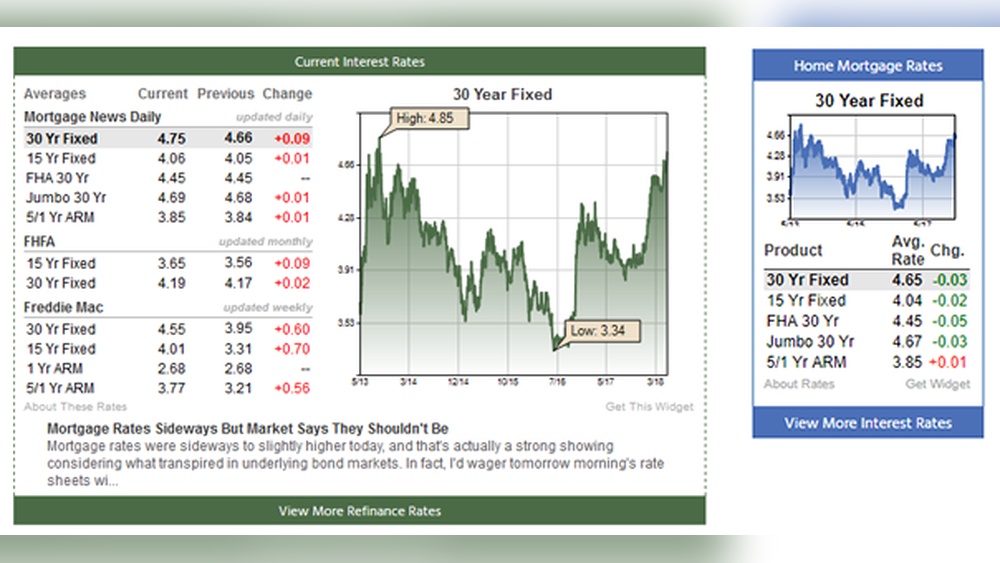
Current average personal loan rates range from about 7% to 24%. Borrowers with excellent credit can expect rates near the lower end. Those with fair or poor credit may see rates closer to the higher end. Loan terms usually last from 12 to 60 months, affecting the rate offered.
Several factors influence rates. These include credit score, income, loan amount, and debt-to-income ratio. Lenders also consider the loan purpose and whether it is secured or unsecured. Economic conditions and central bank policies play a role too.
| Rate Trend | Details |
|---|---|
| Early 2024 | Rates increased slightly due to inflation concerns. |
| Mid 2024 | Stabilization as the economy shows steady growth. |
| Late 2024 | Rates may drop if inflation slows down. |
Types Of Personal Loans
Secured loans need collateral like a car or house. They often have lower interest rates. Unsecured loans have no collateral but may charge higher rates. Both types let you borrow money for many needs.
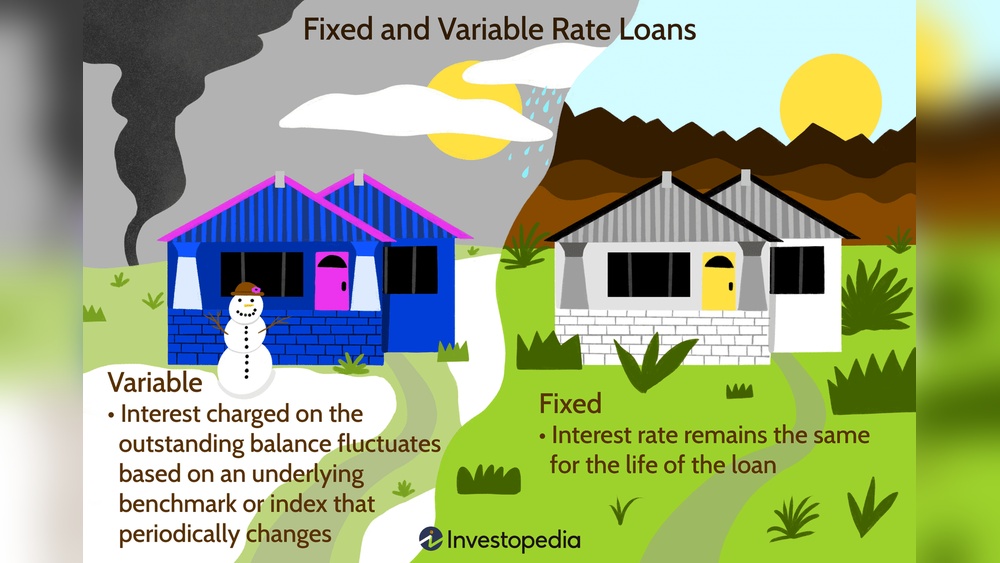
Fixed rates stay the same during the loan. This means your payments don’t change. Variable rates can go up or down. Your monthly payment may change too. Choose based on how much risk you want.
| Loan Term | Details |
|---|---|
| Short Term | Usually 1-3 years. Higher monthly payments but less interest overall. |
| Medium Term | About 3-5 years. Balanced monthly payments and total interest. |
| Long Term | 5-7 years or more. Lower monthly payments but more interest over time. |
Credit Score Impact
Credit scores play a key role in determining loan rates. Lenders check your score to decide the risk of lending money. A higher credit score usually means lower interest rates. This saves money over time.
Improving your credit score can lower rates. Pay bills on time. Keep balances low on credit cards. Avoid opening too many new accounts quickly. Small changes help build a better score.
| Credit Score Tier | Interest Rate Range | Loan Approval Chances |
|---|---|---|
| Excellent (750+) | 5% – 10% | Very High |
| Good (700-749) | 10% – 15% | High |
| Fair (650-699) | 15% – 20% | Moderate |
| Poor (below 650) | 20% and above | Low |

Finding The Best Rates
Bank and credit union rates often differ. Credit unions usually offer lower interest rates and fewer fees. Banks provide more services and easier access to branches. Comparing both helps find the best deal for your needs.
Online lenders often have faster approvals and competitive rates. Traditional banks may require more paperwork but offer trusted customer service and physical branches. Consider your comfort level with digital tools.
| Lender Type | Pros | Cons |
|---|---|---|
| Credit Unions | Lower rates, fewer fees | Limited branch access |
| Banks | More services, branch access | Higher rates, more fees |
| Online Lenders | Fast approval, competitive rates | No physical branches |
Rate calculators let you see monthly payments and total costs. Enter loan amount, term, and interest rate to get an estimate. This tool helps compare offers side by side easily.
Saving Money On Loans
Negotiating lower rates can save you a lot of money on loans. Start by comparing offers from different lenders. Ask if they can reduce the interest rate or waive fees. Being polite and clear about your good credit score helps. Sometimes, lenders offer better rates to keep customers.
Avoiding hidden fees is important. Always read the loan terms carefully. Look for charges like application fees, late payment fees, or prepayment penalties. These costs can add up quickly and increase your total loan cost.
| Refinancing Options | Details |
|---|---|
| Lower Interest Rate | Refinance to get a better interest rate than your current loan. |
| Extend Loan Term | Longer terms reduce monthly payments but may increase total cost. |
| Switch Lenders | Find lenders with better offers or customer service. |

Personal Loan Uses And Benefits
A personal loan can help with many financial needs. It is useful for debt consolidation, combining several debts into one payment. This often lowers monthly bills and interest rates. It makes paying off debts simpler and faster.
Home improvement projects can be funded with personal loans. This may include fixing roofs, updating kitchens, or painting walls. These changes can increase a home’s value and comfort.
Personal loans also cover emergency expenses. Unexpected costs like medical bills or car repairs can be managed quickly. This avoids stress and helps maintain financial stability.
Common Loan Terms Explained
Interest rate types tell how much extra money you pay for a loan. Fixed rates stay the same during the loan. Variable rates can change over time, which may make payments go up or down. The APR (Annual Percentage Rate) shows the total cost of borrowing, including fees. It helps compare loans better than just the interest rate.
Payment schedules explain how often you pay back the loan. Common schedules are monthly, bi-weekly, or weekly. Monthly payments are most common. Paying more often can reduce interest and shorten the loan term. Always check the schedule before choosing a loan.
Tools To Manage Loans
Loan calculators help you see how much your payments will be. Just enter the loan amount, interest rate, and term. They show monthly payments and total interest. This helps plan your budget better.
Budgeting for payments means setting aside money each month. Make sure to include loan payments in your monthly budget. Try to avoid missing payments to keep good credit.
Tracking loan progress is easy with apps or spreadsheets. Check how much you have paid and how much is left. It feels good to see your loan getting smaller. Staying on top helps avoid surprises.
Frequently Asked Questions
What Is A Good Rate For A Personal Loan Right Now?
A good personal loan rate right now typically ranges from 6% to 12% APR. Rates vary by credit score and lender.
Is 20% Interest Rate High For A Personal Loan?
A 20% interest rate for a personal loan is considered high compared to the average 6% to 12%. It may indicate higher risk or poor credit. Seek lower rates to save money.
Is 7% Apr Good For A Loan?
A 7% APR is generally considered a good rate for a personal loan, especially with average credit scores. It offers affordable monthly payments and reasonable borrowing costs. Rates vary by lender, credit history, and loan terms, so compare options to ensure you get the best deal.
How Much Personal Loan Can I Get On A $70,000 Salary?
A $70,000 salary can typically qualify for a personal loan between $15,000 and $35,000. Loan amount depends on credit score, debt, and lender policies.
Conclusion
Understanding personal finance rates helps you make smarter borrowing choices. Keep track of current rates to save money over time. Compare offers from different lenders before deciding on a loan. Consider your credit score as it affects the interest rate you get.
Use simple tools like calculators to estimate monthly payments. Stay informed, plan carefully, and manage your finances with confidence. This approach can reduce stress and improve your financial health. Personal finance knowledge is a key step toward financial stability.
Read More
- Fixed Vs Variable Rates: Ultimate Guide to Smart Borrowing Choices
- Daily Home Loan Rates: Unlock Today’s Best Deals Now
- Loan Rate Comparison Dashboard: Unlock Best Deals Instantly
- Real Time Rate Monitoring: Boost Efficiency with Instant Insights
- Mortgage Apr Comparison Report: Unlock Best Rates Today
- Best Apr Tracking Tool: Ultimate Guide to Boost Your Savings
- Credit Product Apr Analysis: Unlocking Smart Borrowing Insights
- Savings Rate Comparison Tool: Maximize Your Earnings Today
- Business Deposit Account Rates: Maximize Your Earnings Today
- Borrowing Cost Comparison Tool: Save More with Smart Choices