Are you making the most of your money by choosing the right savings account? Finding the best savings rate can feel overwhelming with so many options out there.
But what if there was an easy way to compare rates side by side, so you could see exactly where your money will grow the fastest? That’s where a Savings Rate Comparison Tool comes in. It puts you in control, helping you spot the highest returns without the guesswork.
Keep reading to discover how this simple tool can boost your savings and help you reach your financial goals faster.
Why Compare Savings Rates
Comparing savings rates helps find the best place to grow money. Higher rates mean more earnings over time. Even small differences in rates can add up to big changes in savings.
Interest compounding makes money grow faster. Interest earns interest itself. More frequent compounding leads to bigger savings. Understanding this helps pick better savings accounts.
Inflation lowers the value of saved money. If the interest rate is lower than inflation, savings lose buying power. Comparing rates with inflation in mind protects your future money’s value.
Types Of Savings Accounts
Traditional savings accounts are the most common type. They offer easy access to your money and a low minimum balance. Interest rates are usually low compared to other accounts.
High-yield savings accounts give better interest rates. These accounts often require a higher minimum balance. They are good for growing your savings faster.
Money market accounts combine features of savings and checking accounts. They offer higher interest rates than traditional accounts. Usually, they come with check-writing and debit card options.
Certificates of Deposit (CDs) lock your money for a set time. They offer fixed interest rates, often higher than savings accounts. Early withdrawal may lead to penalties.
How Savings Rate Tools Work
Savings rate tools require a few input variables to work well. These include the amount you want to save, the interest rate, and the time period. Some tools also ask for how often interest compounds, like daily or monthly.
The calculation methods vary but mostly use formulas to find the total savings over time. They often use compound interest calculations to show how money grows. Simple interest may be used in some cases but is less common.
Results are shown clearly, often in tables or charts. The tools display final savings amount, total interest earned, and sometimes monthly or yearly breakdowns. This helps users easily compare different savings rates side by side.

Top Savings Rate Comparison Tools
Bankrate Savings Calculator helps estimate how much money you can save over time. Enter your initial deposit, monthly contributions, and interest rate. It shows how your savings grow with compound interest.
Citizens Bank Savings Rate Calculator lets you compare different savings rates. You can see which rate offers the best returns on your savings. It is simple to use for quick comparisons.
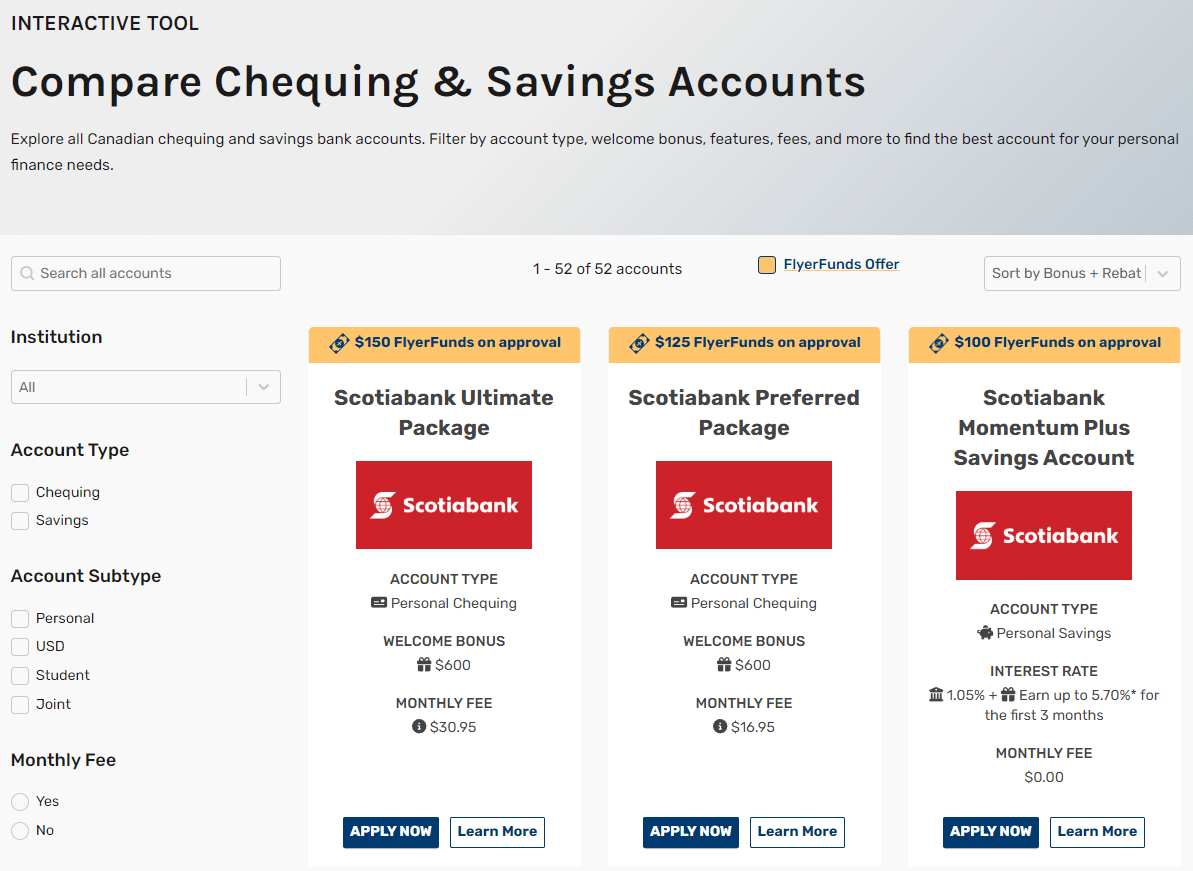
DepositAccounts Comparison Tool lists many banks with their current savings rates. It helps find highest interest rates available. You can filter by account type and minimum deposit.
Huntington Bank Interest Calculator shows how interest affects your savings balance. It calculates future value based on your inputs. It is useful for planning your savings goals.
Choosing The Right Tool
User Interface and Ease of Use matter a lot. A good tool has a clean design. It makes comparing savings rates quick and simple. Buttons and options should be easy to find and understand. Tools that overload users with too many details can confuse and slow down decisions.
Range of Savings Options is important. The tool should cover many types of accounts like regular savings, CDs, and money market accounts. More choices help users find the best fit for their needs and goals.
Accuracy and Updates keep the tool reliable. Savings rates change often. A good tool updates rates regularly so users get the latest info. Incorrect or old data can lead to poor decisions and lost money.
Additional Features add value. Features like calculators for interest growth, comparison charts, or alerts for rate changes help users plan better. These extras make the tool more useful and engaging.
Maximizing Earnings With Savings Tools
Adjusting deposit amounts helps see how savings grow with different contributions. Small changes in deposits can lead to big differences over time. Evaluating compounding frequencies shows how often interest is added. More frequent compounding means faster growth of savings. Setting clear savings goals guides how much money to save and for how long. Goals keep saving plans focused and steady. Using a savings rate comparison tool lets you test these scenarios quickly. You can compare various deposit amounts, interest rates, and compounding intervals side by side. This helps pick the best option to maximize earnings. Simple steps. Clear results. Better savings decisions.
Tips For Higher Savings Returns
Regularly monitoring rates helps you find better savings options. Rates change often, so check monthly or quarterly. This keeps your money working hard for you.
Taking advantage of promotions can boost your savings. Banks sometimes offer higher rates or bonuses for new accounts. Watch for these deals and act fast.
Diversifying savings products reduces risk and can increase earnings. Use a mix of accounts like regular savings, CDs, and money market accounts. This spreads your money across different interest rates.
Avoiding penalties and fees is key to keeping your savings growing. Read account rules carefully. Stay within withdrawal limits and avoid early CD withdrawals.

Common Mistakes To Avoid
Ignoring fees and restrictions can reduce your real savings. Some accounts charge monthly fees or limit withdrawals. These costs lower your earnings.
Overlooking account minimums may cause unexpected issues. Many banks need a minimum balance to avoid fees or earn interest. Check these rules carefully.
Failing to update calculations makes your comparison outdated. Interest rates and terms can change often. Regular updates keep your data accurate.
Relying solely on interest rates is risky. Other factors like fees, access, and penalties also matter. Look at the full picture before deciding.
Frequently Asked Questions
Which Bank Gives 7% Interest On A Savings Account?
No major US bank currently offers 7% interest on savings accounts. High-yield accounts typically range between 3% and 5%. Check online banks or credit unions for the best available rates. Use comparison tools like DepositAccounts. com to find competitive savings rates.
How Much Interest Does A $100,000 Cd Make In A Year?
A $100,000 CD earns interest based on its rate. At 4% APY, it makes about $4,000 in one year. Rates vary by bank.
What’s The Best Savings Rate Right Now?
The best savings rates currently range between 4. 5% and 5. 0% APY at top online banks. Use comparison tools to find updated rates.
What Is 5% Apy On $1000 Monthly?
A 5% APY on $1,000 monthly means earning about $50 interest per year on that amount.
Conclusion
Choosing the right savings rate can boost your money’s growth. Use the Savings Rate Comparison Tool to see options side by side. It helps you find rates that suit your goals. Small changes in rates can make a big difference over time.
Start comparing today and make smarter saving choices. Simple tools make saving easier and more clear. Take control of your savings with easy comparisons. Your future self will thank you for wise decisions now.
Read More
- Fixed Vs Variable Rates: Ultimate Guide to Smart Borrowing Choices
- Personal Finance Rate Guide: Unlock Smart Savings Today
- Daily Home Loan Rates: Unlock Today’s Best Deals Now
- Loan Rate Comparison Dashboard: Unlock Best Deals Instantly
- Real Time Rate Monitoring: Boost Efficiency with Instant Insights
- Mortgage Apr Comparison Report: Unlock Best Rates Today
- Best Apr Tracking Tool: Ultimate Guide to Boost Your Savings
- Credit Product Apr Analysis: Unlocking Smart Borrowing Insights
- Business Deposit Account Rates: Maximize Your Earnings Today
- Borrowing Cost Comparison Tool: Save More with Smart Choices